Recycling and Sustainability for Block Paving Cleaning
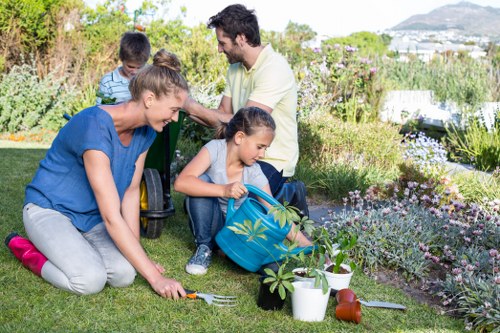
Block paving cleaning can be both effective and environmentally responsible. In our approach to block-paving cleaning and general paving cleaning services we prioritise resource recovery, reduced carbon emissions and the creation of a sustainable rubbish gardening area where beneficial materials are diverted back into local green projects. This page outlines targets, partnerships and operational practices that support an eco-friendly waste disposal area while keeping your paved surfaces looking their best.
Recycling percentage target: we aim for a minimum 75% recycling rate for all material and waste streams arising from block paving maintenance work by the end of the current three‑year plan. That target covers recovered sand and grit, organic matter such as weeds and leaves, inert rubble and suitable granular materials reclaimed for reuse. Working alongside boroughs that operate kerbside separation schemes—dry recycling, green waste and residual—helps us align on source separation at the point of collection.
To make this practical we use clearly labelled, segregated containers on site for:
- Organic green waste (compostable materials and garden detritus)
- Clean inert materials (recovered sand, small pieces of concrete or pavers)
- Mixed recyclables and any non-hazardous packaging
- Small volumes of contaminated or hazardous residues (separated and handled individually)
Sustainable Rubbish Gardening Area and Material Reuse
Creating a sustainable rubbish gardening area means transforming what would otherwise be waste into useful resources for landscaping and community gardens. Organic matter from cleaning and site clearance is composted or used as mulch, while reclaimed jointing sand and crushed paving can be reintroduced into driveways and path maintenance. We emphasise low-impact methods during block paving clean operations so recovered materials remain suitable for local reuse projects.
Partnerships are central to this strategy. We work with a network of charities and reuse organisations—local housing charities, community allotments, building materials reuse centres and social enterprises—to channel reclaimed resources into community benefit. Examples of collaborative activity include:
- Donating clean reclaimed paving slabs and sand to community build projects
- Supplying composted green waste to urban gardens and borough-run planting schemes
- Supporting reuse shops that accept resilient construction materials instead of them going to landfill
Low-Carbon Transport and On-Site Emission Reductions
Low-carbon vans and efficient logistics are vital to cutting emissions associated with block paving clean jobs. Our fleet strategy favours electric and hybrid vans for routine work, and cargo bikes or low-emission vehicles for short, dense urban rounds where borough access permits. Route optimisation software reduces mileage and idle time, while equipment selection focuses on machines and water reclaim systems that minimise fuel use and wastewater discharge.
Operationally, sustainable paving cleaning includes on-site filtration and water treatment systems that capture rinse water for recycling. Captured solid material—silt, sand and organic debris—is dried and sorted before transfer to the appropriate processing stream, increasing the proportion of material that qualifies for reuse. By emphasising separation at source and investing in compact treatment units we steadily move toward and beyond our 75% recycling target for block paving maintenance projects.
Local transfer stations and borough waste facilities play a crucial role. We coordinate with municipal transfer stations, regional recycling centres and permitted inert waste facilities so that each material type follows the correct processing route. Many boroughs now operate separate green waste and dry recycling collection schemes; by mirroring those separation categories on site we lower contamination rates and improve acceptance at downstream facilities.

Monitoring and continuous improvement are part of our commitment to sustainable block paving cleaning. We log tonnages diverted from landfill, track the percentage recycled per job, and publish internal performance metrics. Where possible we pilot new low-carbon technologies and expand charity partnerships to boost local circular economy activity. Our ongoing goal is to provide excellent paving cleaning while fostering a measurable, positive environmental impact—maintaining beautiful paved surfaces without compromising our neighbourhoods' green futures.